| Abscesses |
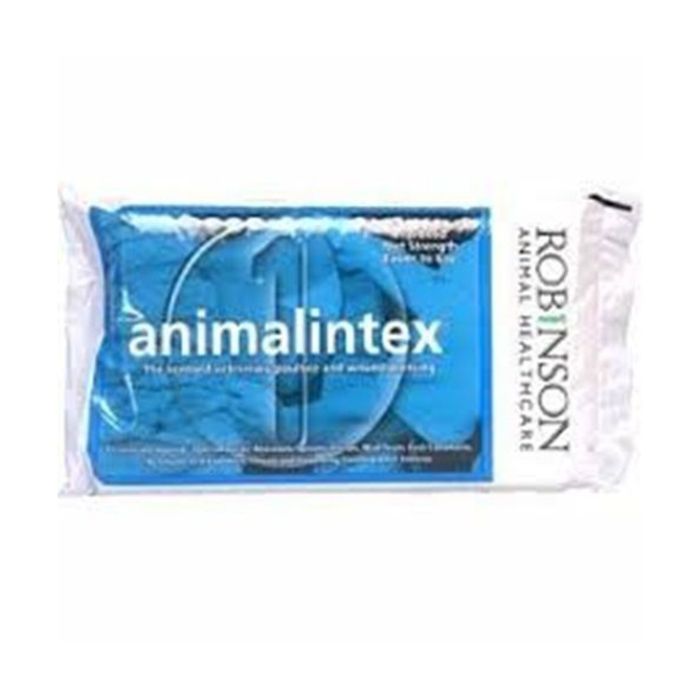
Protect the surrounding area with petroleum jelly to avoid skin scalding. Providing the inflammation is close to the surface, apply a hotter than usual wet Animalintex to bring the abscess to a head.
Change and apply hot, wet Animalintex every 8 hours for up to 48 hours until it bursts.
Once the abscess is broken, apply the dressing free from excess water to absorb the pus. A deep cavity may need flushing and antibiotics (consult your veterinary surgeon if in doubt). |
| After strenuous training |
Used as a dry leg padding, it will help prevent or relieve inflammation following on from training. It is also highly effective in this form for treating slight sprains. May be used cold from the refrigerator for additional cooling. |
| Boils |
Follow the same treatment as for abscesses. |
| Bruised sole |
Occurs when the horse stands on a blunt object and creates a bruise under the sole, other than at the seat of the corn. Apply hot, wet Animalintex every 8 hours for up to 3 days. No need to remove the shoe but consult you veterinary surgeon if the condition persists. Once the condition is improved, an application of aureomycin (purple) spray is effective for hardening the sole. |
| Bruises, contusions |
Severe bruising possibly skin broken, pus present. Apply cold, wet Animalintex, changing every 8 hours for the first 24 hours to reduce inflammation followed by hot, wet Animalintex to stimulate blood circulation. Apply bandage with pressure, take care not to restrict circulation. |
Capped hock |
Swelling under the skin, at the point of the hock, because of bruising or kicking. Cold applications of Animalintex will reduce swelling. Then use as pressure bandage.
Corns (sterile or infected) |
| Capped elbow |
Caused either by a direct injury at the point of the elbow or pressure from lying on insufficient bedding. treat with cold, wet Animalintex for the first 24 hours or until the swelling has subsided, followed by hot, wet Animalintex for the next three days. Severe or advanced cases will need the services of a veterinary surgeon. |
|
Cracked heels
|
Cracked heels are usually associated with wet conditions when the skin at the back of the pastern becomes stretched and cracks appear which frequently become infected by dirt and grit. Cleanse the area with boiled water (cooled to 38ºC/100ºF) and salt and a mild , non-perfumed soap, using a soft brush. Apply a hot, wet Animalintex every 8 hours for 2 days to remove the scabs, then use dry Animalintex changed every 12 hours as a wound dressing until the skin has healed |
|
Mud Fever
|
Similar to cracked heels, but more serious and usually with swelling of lower limb. Prompt treatment of the affected area is essential. |
|
Infected wounds or dirty wounds
with grit & soil
|
(including road traffic accidents) Cleanse the wound with boiled water and salt (cooled to 38ºC/100ºF). Apply a hot, wet Animalintex changing every 8 hours. Use Animalintex hot, wet poultice until pus is no longer found on the poultice when removed. Then use dry Animalintex as a dry wound dressing. |
|
Open Wounds
|
Animalintex will help stem bleeding and promote faster healing while preventing infection of the wound.
Apply dry to the clean wound. bandage pressure can help to reduce the swelling and oedema and to control the haemorrhage. Take care not to restrict circulation. |
|
Quittor-in-the-hoof
|
Generally caused by contusions and puncture wounds of coronet and lowest part of the pastern, recognised by a discharge from the hoof or coronet. Follow the same treatment as for abscesses. Veterinary advice should be sought. |
|
Sandcrack (Split hoof)
|
A fissure in the wall of the hoof which, if infected, will cause lameness. Use Animalintex dry to protect the hoof while new horn grows, change daily. If infected, use hot, wet Animalintex for 2 to 3 days to draw out infection. |
|
Laminitis
|
A painful and serious condition. the horse or pony will stand on its heels, forefeet pushed forward, reluctant to move. The appetite is likely to be reduced.
Veterinary advice should be sought immediately to minimise the risk of permanent damage. Apply hot, wet Animalintex cut to shape to fit the foot or use pre-cut Animalintex hoof Shaped to help draw out any debris or pus present, improve circulation and ease discomfort.
After 3 applications, cold wet Animalintex can then be used to further ease the inflammation and discomfort. |
|
Puncture of the foot
|
sudden, severe lameness with heat in the foot associated with infection following puncture of the sole or frog. If present, remove the foreign body immediately. Cleanse the foot with a cleansing wash (boiled water and salt allowed to cool to 38ºC/100ºF). Then plug the hole with Animalintex, keeping in place with a protective covering. Change every 8 hours until the lameness is settled. Seek veterinary advice as antibiotic treatment is a sensible precaution. |
|
Sore shins
|
can be caused by galloping immature horses on hard ground bringing on inflamation and lameness immediately after fast work. Rest with Animalintex applied cold, wet and dowsing the legs several times daily with cold water. |
|
Seedy Toe
|
Separation of the hoof wall from the sole at the toe. The hollow space formed fills up with newly crumbled horn and pus may develop. Remove all grit and degenerated horn then pack the cavity with hot wet Animalintex.
Change every 8 hours until the lameness is settled. Seek veterinary advice if required
|
|
Windgalls
|
A soft swelling of the tendon sheath above the fetlock joint. Used as a pressure padding, Animalintex will help reduce the swelling. |
|
Sprains & strains
|
Caused by a wrench or twist injuring tendons or hip, shoulder or hock, usually causing lameness. Apply cold, wet Animalintex changing every 8 hours for 24 hours followed by hot, wet Animalintex changed every 8 hours with pressure. |
|
Thoroughpin
|
A softt swelling above the hock, arising from inflamation of the sheath of the deep flexor tendon. Used as pressure padding, Animalintex will reduce the swelling. |
|
Splints
|
Outgrowing bony deposit on the splint bone, between knee or hock and fetlock causing inflamation, pain and swelling which hardens rapidly, usually with horses under 6 years. Keep the horse at rest and reduce the inflamation with cold, wet Animalintex. Veterinary advice is needed if there is no response to treatment. |
|
Thorns - removing
|
Do not use a knife. Hot, wet Animalintex will draw the thorn so it can be removed, while preventing infection. Change every 8 hours for 36 hours or until the thorn is protruding. Remove carefully with a pair of tweezers. |
| Thrush |
A disease of the frog, causing a smelly discharge from the central and/or lateral clefts of the frog. Remove all diseased horn and matter, cleansing the area thoroughly with 10 parts warm water (ideally boiled first) to 1 part hydrogen peroxide. Apply hot wet Animalintex, changing daily. After 3 applications, Animalintex may be used dry. As pressure on the frog is important, use Veterinary Gamgee or Equibine as padding on top of the Animalintex. |