
-
-
Pre and Pro-Biotics for Horses
June 17 2020 -
5 Tips - Travelling long distances with a horse
June 17 2020 -
Equestrian Training - Pole and Cavelletti Exercises
June 17 2020 -

New Ariat Cambria
June 17 2020
Understanding Gastric Ulcers in Horses: Prevention, Recognition & Treatment
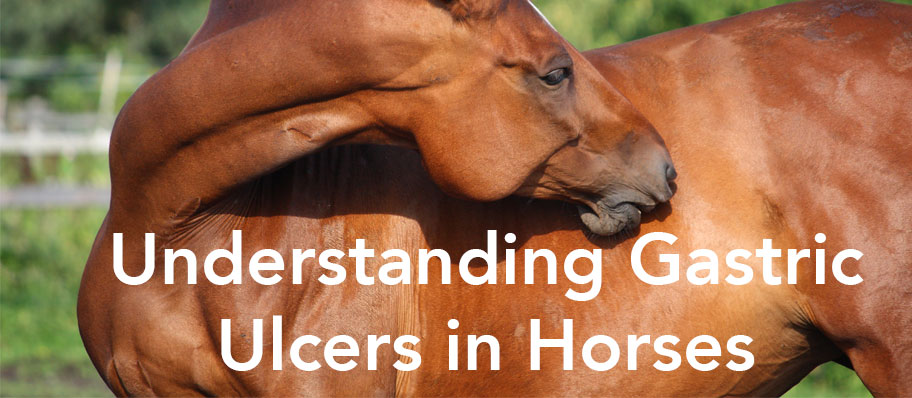
Title: Understanding Gastric & Hindgut Ulcers in Horses: Prevention, Recognition & Treatment
Word Count: ~1,800 words | Reading Time: 8-9 minutes
As horse owners, we invest countless hours ensuring our equine partners receive the best care possible. Yet one of the most common health issues affecting horses often goes unnoticed until symptoms become severe. Gastric ulcers affect an estimated 60-90% of performance horses in Australia, and emerging research suggests hindgut ulcers may be equally prevalent, making digestive ulceration one of the most widespread conditions in the equine world.
Whether you're a competitive rider, weekend trail enthusiast, or caring for a retired champion, understanding both gastric and hindgut ulcers is essential to your horse's wellbeing. This guide has been written to help you recognise the signs, understand the differences between foregut and hindgut conditions, and learn about effective prevention and treatment options.
Understanding the Equine Digestive System: Foregut vs Hindgut
To understand ulcers, you first need to understand your horse's digestive anatomy. The equine digestive system is divided into two main sections:
Foregut: Includes the stomach and small intestine. This is where gastric (stomach) ulcers occur.
Hindgut: Comprises the cecum, large colon, and small colon. This is where hindgut ulcers and inflammation develop.
Each region has different pH levels, functions, and vulnerabilities, which is why ulcers in these areas have different causes, symptoms, and treatment requirements.
What Are Equine Gastric (Foregut) Ulcers?
Gastric ulcers are erosions or lesions in the lining of a horse's stomach. Unlike humans who produce stomach acid primarily during meals, horses produce acid continuously - up to 16 gallons per day! This constant acid production evolved for their natural grazing behaviour, where small amounts of food constantly buffer the acid.
The horse's stomach has two main regions:
Glandular region (lower portion): Has a protective mucus layer and is more resistant to acid damage
Squamous region (upper portion): Lacks protective mucus, making it highly vulnerable to acid damage
When stomach acid splashes onto the unprotected squamous region - especially during exercise or when the stomach is empty - ulcers can rapidly develop. This is known as Equine Gastric Ulcer Syndrome (EGUS) or Equine Squamous Gastric Disease (ESGD).
What Are Equine Hindgut Ulcers?
Hindgut ulcers, also called Equine Colonic Ulcer Syndrome or Right Dorsal Colitis, occur in the cecum and colon. Unlike the acidic environment of the stomach, the hindgut should maintain a more neutral pH to support beneficial bacteria that ferment fibre.
Hindgut ulcers develop when:
- The pH becomes too acidic (dysbiosis)
- Beneficial bacteria populations are disrupted
- The protective mucosa is damaged by NSAIDs or toxins
- Inflammatory compounds irritate the intestinal lining
Hindgut issues are often overlooked because they can't be diagnosed with standard gastroscopy, yet they may be just as common as gastric ulcers.
Shocking Statistics: How Common Are Ulcers?
Research reveals alarming prevalence rates across all disciplines:
Gastric Ulcers:
- 90% of racehorses in active training
- 70% of endurance horses
- 60% of show horses
- 50% of foals (even those not yet weaned)
- 37% of recreational horses
Hindgut Ulcers:
- Prevalence estimates range from 44-65% in performance horses
- Often present alongside gastric ulcers
- Frequently undiagnosed due to diagnostic limitations
These statistics demonstrate that ulcers aren't just a problem for high-performance horses - they can affect any horse under any management system, and many horses suffer from both foregut AND hindgut issues simultaneously. It should be noted that the prevalence of hindgut ulcers is likely grossly underestimated as they are not as easy to categorically diagnose as Gastric Ulcers.
Recognizing the Signs: Key Differences in Symptoms
While there is significant overlap, gastric and hindgut ulcers can present with distinct symptom patterns.
Gastric (Foregut) Ulcer Symptoms:
Physical Signs:
- Poor appetite or eating slowly - leaving feed or only eating hay
- Weight loss - especially along the topline and ribcage
- Dull, rough coat - lacking shine despite adequate nutrition
- Acute colic episodes - sharp, intermittent pain
- Decreased water consumption
Behavioural Changes:
- Resistance to girthing - pinning ears, biting, or moving away
- Poor performance - reluctance to work, reduced stamina
- Teeth grinding - especially during or after eating
- Attitude changes - irritability or depression
- Lying down more than usual
Hindgut Ulcer Symptoms:
Physical Signs:
- Changes in manure consistency - loose, unformed, or diarrhoea
- Weight loss - particularly over the hindquarters
- Poor body condition despite adequate feed
- Chronic, low-grade colic - often after feeding
- Sensitivity over the flank area
- Undigested grain in manure
Behavioural Changes:
- General unhappiness or sourness
- Sensitivity to leg aids or belly touching
- Reluctance to engage hindquarters
- Tail swishing or kicking at belly
- Performance decline without obvious lameness
Critical Difference: Gastric ulcer pain often occurs on an empty stomach or during exercise, while hindgut discomfort typically appears 2-6 hours after feeding when fermentation is most active.
Important: Many horses show subtle or overlapping signs. Some horses may have both conditions simultaneously, complicating the symptom picture.
Diagnosis: How Are Foregut and Hindgut Ulcers Detected?
This is where the two conditions differ significantly.
Gastric Ulcer Diagnosis:
The gold standard for diagnosing gastric ulcers is gastroscopy - a procedure where a 3-meter endoscope (camera) is passed through the horse's nostril into the stomach. This allows your veterinarian to:
- Visualize ulcers directly
- Determine their location (squamous vs glandular)
- Grade their severity (0-4 scale)
- Monitor healing progress with follow-up scopes
Requirements: The horse must be fasted for 12+ hours and the procedure requires sedation. While definitive, gastroscopy only examines the stomach and the first portion of small intestine - it cannot reach the hindgut.
Hindgut Ulcer Diagnosis:
Diagnosing hindgut ulcers is significantly more challenging because:
- Standard gastroscopes cannot reach the hindgut
- Colonoscopy requires specialized equipment and general anaesthesia
- There is no "gold standard" diagnostic test
Veterinarians typically diagnose hindgut issues through:
- Clinical signs and symptom pattern
- Response to treatment (therapeutic trial)
- Ruling out other conditions
- Fecal testing for inflammation markers (limited availability)
- Rectal examination (in severe cases)
- Specialized ultrasound (limited use)
This diagnostic challenge means hindgut ulcers are often under-recognized and under-treated.
What Causes Gastric and Hindgut Ulcers?
While some risk factors overlap, each condition has specific causes.
Gastric Ulcer Causes:
- Meal feeding with long gaps between forage
- High-grain diets producing volatile fatty acids
- Exercise causing acid splash onto squamous region
- Stress increasing acid production
- NSAIDs damaging protective mucosa
- Limited turnout and confined housing
Hindgut Ulcer Causes:
- High-starch/sugar diets overwhelming small intestine - undigested starch reaching hindgut
- NSAIDs (especially prolonged use) - particularly damaging to right dorsal colon
- Stress disrupting hindgut microbiome
- Antibiotics killing beneficial bacteria
- Sudden diet changes causing pH fluctuations
- Parasite damage to intestinal lining
- Dehydration reducing protective mucus
- Low-forage diets reducing beneficial fermentation
Critical Point: High-grain diets are particularly problematic because they can cause BOTH gastric and hindgut issues through different mechanisms.
Prevention: Protecting Both Foregut and Hindgut
The good news? Many preventive strategies benefit both regions of the digestive tract.
Management Strategies:
Forage-First Approach:
- Provide hay or pasture 24/7 when possible
- Aim for minimum 1.5-2% body weight in forage daily
- Continuous forage buffers stomach acid AND supports healthy hindgut fermentation
- For horses that consume hay very rapidly, small hole hay nets can slow the process to ensure there is a continuous supply
Reduce Starch and Sugar:
- Minimize grain-heavy concentrates
- Keep starch meals under 1g per kg body weight per feeding
- Use high-fat, high-fibre alternatives for calories
- Consider adding oil rather than increasing grain
Strategic Feeding:
- Provide hay before exercise (creates protective fibre mat)
- Split concentrate meals into smaller portions
- Allow 30-60 minutes for hay consumption before work
- Feed hindgut-friendly feeds with prebiotics
Stress Reduction:
- Maximize turnout time
- Provide social companionship
- Maintain consistent routines
- Introduce changes gradually
Hydration:
- Ensure constant access to fresh, clean water
- Consider electrolytes during heavy work
- Adequate water supports hindgut motility and health
- Consider wetting down hay prior to feeding during dry periods, or if the hay has been shedded
Responsible Medication Use:
- Use NSAIDs only when necessary and at lowest effective dose
- Always feed before administering bute or other NSAIDs
- Consider gastric and hindgut support when NSAIDs are required
- Discuss alternatives with your veterinarian
Preventive Supplementation:
- Use research-backed supplements during high-risk periods
- Choose products that address BOTH foregut and hindgut
Treatment Options: Tailored Approaches for Each Condition
Gastric Ulcer Treatment:
Pharmaceutical Approach: The gold standard is omeprazole, a proton pump inhibitor that reduces stomach acid production. Typical protocol:
- 4mg/kg daily for 28 days for treatment
- 1-2mg/kg daily for prevention
- Highly effective for squamous ulcers (healing rates 70-90%)
- Less effective for glandular ulcers
Considerations with Omeprazole:
- Can cause "acid rebound" when discontinued
- May affect calcium absorption with long-term use
- Expensive for ongoing treatment
- Only addresses stomach, not hindgut
- Doesn't address root causes
Hindgut Ulcer Treatment:
Pharmaceutical Approach: Treatment is more complex because you cannot simply reduce acid:
- Sucralfate: Creates protective coating over ulcerated areas (though reaching hindgut is uncertain)
- Misoprostol: Promotes mucus production and healing
- Antibiotics: Only if bacterial infection present (use cautiously - can worsen dysbiosis)
- Anti-inflammatories: Must use very carefully as NSAIDs can worsen hindgut ulcers
Management Changes are Critical:
- Immediate diet modification to reduce starch
- Increase forage quality and quantity
- Discontinue NSAIDs if possible
- Prebiotic and probiotic supplementation
- Ensure excellent hydration
Natural Supplement Support: The Complete Solution
Many horse owners are turning to research-backed natural supplements that support both foregut and hindgut health without suppressing necessary stomach acid. These can be used:
- Alongside pharmaceutical treatment to enhance healing
- As follow-up maintenance after completing omeprazole
- For prevention during high-risk periods
- For horses with mild symptoms or as first-line intervention
- When hindgut issues are suspected (since pharmaceutical options are limited)
Key Ingredients for Complete Digestive Support:
For Foregut (Gastric) Protection:
- Pectin: Forms protective gel coating over stomach lining
- Lecithin (phospholipids): Strengthens mucous barrier against acid
- Buffers: Neutralise excess acid without shutting down acid production
For Hindgut Health:
- Prebiotics: Feed beneficial bacteria and support healthy fermentation
- Probiotics: Restore healthy microbial populations
- Dietary fibre: Slows digestion, stabilises pH, supports beneficial bacteria
- Anti-inflammatory compounds: Reduce intestinal inflammation
The Science Behind GastroAID Recovery: Complete Foregut & Hindgut Support
At Herdz, we stock Australia's most research-backed gastric health supplement: Kelato GastroAID Recovery. What sets this product apart is its unique formulation backed by published clinical trials - it's the only supplement in Australia with two peer-reviewed studies demonstrating its effectiveness.
What makes GastroAID Recovery the complete solution:
Complete Protection:
- Specifically formulated to target BOTH foregut and hindgut health
- Addresses the full digestive tract, not just the stomach
- Unique in the Australian market for comprehensive coverage
Protective Coating Technology:
- Therapeutic levels of pectin and lecithin
- Forms alkaline barrier over stomach wall
- Protects ulcerated areas while healing occurs
Multi-Action Hindgut Support:
- Contains prebiotics to feed beneficial bacteria
- Probiotics to restore healthy microbiome
- Dietary fibre to stabilise hindgut environment
- Reduces inflammatory response
Buffering Without Suppression:
- Natural buffers neutralise excess acid
- Doesn't shut down necessary acid production
- Maintains healthy digestive function
Safe for Long-Term Use:
- Unlike pharmaceutical options, can be fed continuously
- No concerns about acid rebound
- No calcium absorption issues
- Suitable for daily maintenance
Scientifically Proven:
- Two published, peer-reviewed clinical studies
- Research shows daily supplementation reduces both incidence and severity
- Demonstrated improvements in both gastric and hindgut health
- Evidence-based formulation, not just marketing claims
Australian-Made Quality:
- Manufactured to GMP standards by Kelato
- Trusted name in equine health for over 25 years
- Quality-controlled production
Horse owners report visible improvements within days:
- Better attitude and demeanor
- Improved appetite and eating behaviour
- Enhanced performance and willingness to work
- Better body condition and coat quality
- Healthier, more consistent manure
- Reduced signs of digestive discomfort
When to Use Complete Digestive Support Supplements
Consider adding comprehensive gastric and hindgut support during:
- Competition season
- Intensive training periods
- Before, during, and after transport
- When stabling or reducing turnout
- Weaning foals
- Recovery from illness or injury
- When using NSAIDs for pain management
- As maintenance for horses with history of ulcers
- When symptoms suggest hindgut involvement
- Anytime diet is higher in concentrates than ideal
The Bottom Line: Protecting Your Horse's Complete Digestive Health
Digestive ulceration is incredibly common in Australian horses, affecting both the foregut (stomach) and hindgut (cecum and colon). While gastric ulcers are better understood and easier to diagnose, hindgut ulcers are equally important and potentially just as prevalent.
The key differences to remember:
Gastric Ulcers:
- Diagnosed definitively with gastroscopy
- Caused primarily by acid damage
- Treated effectively with omeprazole
- Symptoms often related to empty stomach or exercise
Hindgut Ulcers:
- Difficult to diagnose definitively
- Caused by dysbiosis, starch overload, and NSAIDs
- Require diet management and microbiome support
- Symptoms often appear hours after feeding
Many horses suffer from both conditions simultaneously, which is why identifying the problem and choosing an appropriate supplement that addresses the correct components of the digestive tract is essential.
With proper management, preventive measures, and the right supplements like GastroAID Recovery that target both foregut and hindgut health, you can significantly reduce your horse's risk and support comprehensive healing if ulcers develop.
Remember: a healthy gut equals a happy, high-performing horse. Watch for signs in both regions, optimise management, provide plenty of quality forage, reduce starch intake, and don't hesitate to use research-backed support supplements during high-risk periods.
Your horse's complete digestive health is too important to leave to chance. At Herdz, we're committed to providing an extensive range of the best products at competitive prices to keep Australia's horses happy, healthy and thriving from stomach to hindgut.
Shop complete digestive health supplements at Herdz.com.au
Quick Reference: Gastric vs Hindgut Ulcers
| Feature | Gastric (Foregut) Ulcers | Hindgut Ulcers |
| Location | Stomach (squamous & glandular regions) | Cecum, large colon, small colon |
| Primary Cause | Acid damage to unprotected tissue | Dysbiosis, starch overload, NSAIDs |
| Diagnosis | Gastroscopy (definitive) | Clinical signs, therapeutic trial |
| Pain Timing | Empty stomach, during exercise | 2-6 hours post-feeding |
| Manure Changes | Less common | Very common (loose, unformed) |
| Pharmaceutical Treatment | Omeprazole (highly effective) | Limited options, management critical |
| Prevention Focus | Acid buffering, continuous forage | Microbiome support, low-starch diet |
The best approach? Choose supplements like GastroAID Recovery that protect and support both regions simultaneously.
To help you further HERDZ has designed a check list to help you review your horses gastric health EQUINE ULCER ASSESSMENT CHECKLIST